Let Your Hobbies Enhance Your Career
Your hobbies aren't separate from your career. They strengthen it.

Some conventional wisdom says you shouldn't talk about your hobbies in professional settings — especially not in job interviews.
I saw a video from a "career coach" who said that job seekers should not talk about their hobbies during an interview. She admonished that talking about hobbies would lead the hiring manager to think that the interviewee isn’t serious about work or is lazy.
I think that's terrible advice.
The hobbies you pursue outside of work often make you better at the work itself. They teach you skills you can't learn in a job, and it’s important to acknowledge how they can fuel your career.
Why are hobbies important for your career?
Your Hobbies are anything you do for enjoyment, learning, or self-expression outside of your paid work.
They matter to your career because they often develop skills that directly transfer to your job (think: problem-solving, discipline, and creativity that your job doesn't give you otherwise). More importantly, they remind you who you are outside of your role. Your 9-5 might be a drag. Hobbies keep you engaged and grounded.
In addition to enhancing your career, your hobbies can help you manage stress. 46% of Americans use creative activities to reduce stress. American Psychological Association CEO and Medical Director Saul Levin says, "Creative activities are an excellent way to express oneself and to take some time off from the everyday routine."
4 tips for using hobbies to enhance your career
Not sure how your hobbies and your career make sense together (or even belong in the same sentence?)
Here are a few ways to think about it.
1. Hobbies can teach you skills
Some hobbies help you develop skills you can actually apply to your career.
You love learning about psychology through reading or podcasts, which deepens your understanding of people if you’re a manager. Learning about painting teaches you about composition and color in ways that can help with any career in marketing or storytelling… or even creating a presentation.
I spend time on weekends painting watercolors. At first, this seemed like pure fun — and it is! But watercolors taught me to embrace imperfection and work with what flows naturally across the page instead of fighting it. That translates directly to skills I can use as a professional writer. When I'm drafting, I've learned to let go of the idea of a "perfect" sentence.
I’m not suggesting that you pick hobbies based on how they can enhance your job. But hobbies can challenge you in ways that you won’t get during your 9-5.
2. Set aside time for your hobbies
If you enjoy something, you’ve got to make time for it. It's easy to say "I want to paint" or "I want to learn Spanish." It's harder to actually do these things when your calendar is packed.
I protect time for writing at 5 am every morning (fully prepped with coffee). Because I treat it like a non-negotiable time to myself, it happens. Every single morning.
The same applies to your hobbies — they need a time “slot” in your daily schedule.
But hobbies that feel like obligations turn into chores. So be realistic about how much time you actually have. If you have three kids and a demanding job, a hobby that requires 10 hours a week isn't going to work. Start smaller. Even 30 minutes on weekends or a few early mornings a week is enough to fuel you creatively.
3. Hobbies change your thinking
When you spend time on hobbies, you're essentially running mini-experiments in failure and adaptation. Yes, I know that sounds like “corporate speak,” but hear me out. You try something, it doesn't work, you adjust, you try again. This builds tolerance that's invaluable in any job.
For years, I thought I wasn't creative because I couldn't draw or do anything design-related. But teaching myself to paint taught me that creativity isn't a fixed trait or something people are born with. Creativity a skill you build by repeatedly making things that aren't perfect. Your hobbies are where you learn to get over perfectionism in a way that isn’t always possible when you’re working.
Your hobbies let you expand how you think and work.
 Anna Burgess Yang
4. Talk about your hobbies in professional settings (yes, really!)
Employers and clients (at least the good ones) want to understand who you are. Hobbies give them a glimpse into your life.
When you mention a hobby in an interview or professional conversation, frame it around what it's taught you or what it says about how you work. "I paint watercolors" is fine. "I paint watercolors and it has taught me that things don’t always go as planned, and I need to adapt" is better.
You don’t have to overshare, but you could include a line on a cover letter or include a section on your resume. If you’re self-employed, you could put something like “loves to paint” on your portfolio site or share an occasional personal project on your social media.
It’s ok to keep your hobbies separate from work
You might read this whole thing and think, “My hobbies are my escape from work.” And that’s totally understandable. You don’t have to make a mention of your hobbies in a professional setting, ever, if you don’t want to.
But keep in mind that hiring managers and potential clients remember people who are interesting. If you don’t want to talk about your hobbies, try to find something you can mention that sets you apart. You could mention something you enjoy collecting or talk about spending time with your kids if you’re a parent.
Acknowledge that you have interests outside of work, and that your life is richer for it.
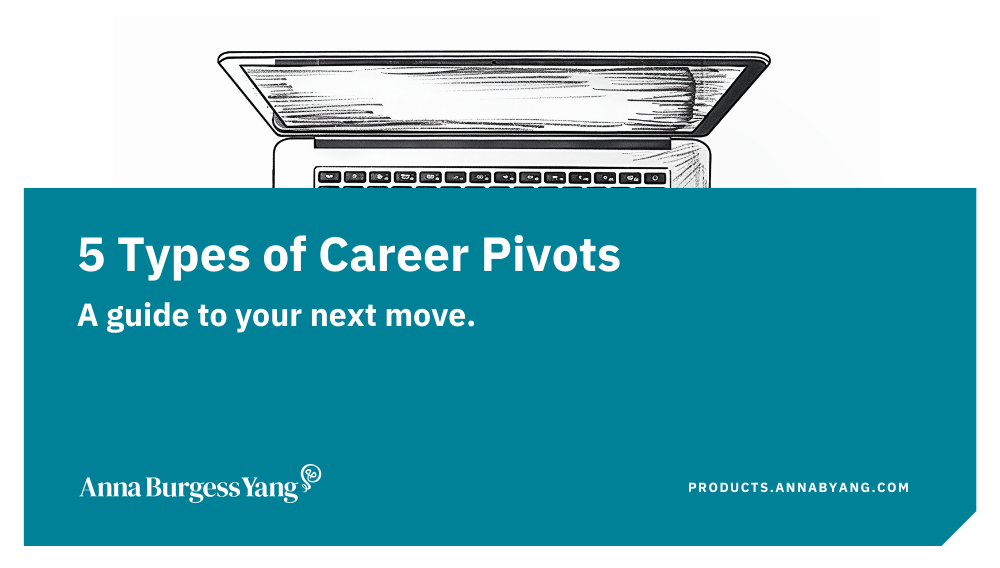
Thinking about a career change? Check out this free guide.
FAQs
What's the difference between a hobby and continuous learning?
Continuous learning is intentional skill development with a specific goal, like taking a course, reading books, earning a certification. A hobby is something you do for enjoyment that may also build skills. They overlap, but hobbies don't require a formal endpoint.
Can I have a hobby that's not related to my job?
Absolutely. Hobbies don't have to have any real-world career applications to be valuable. They refresh your mind and prevent burnout, which indirectly supports your work.
Is it unprofessional to mention my hobby in a job interview?
Not at all. Hiring managers want to see that you're well-rounded. If you can, frame your hobby around what it's taught you or what it reveals about how you work.
Should I choose a hobby based on my career goals?
Not necessarily. Choose something you actually enjoy. The best hobbies are the ones you show up for because you want to, not because you think they'll look good on a resume.
What if I don't have time for a hobby right now?
Start by setting aside 15-30 minutes a week. Even small amounts of time are better than waiting for the "perfect" moment when you have more free time to spend on a hobby.